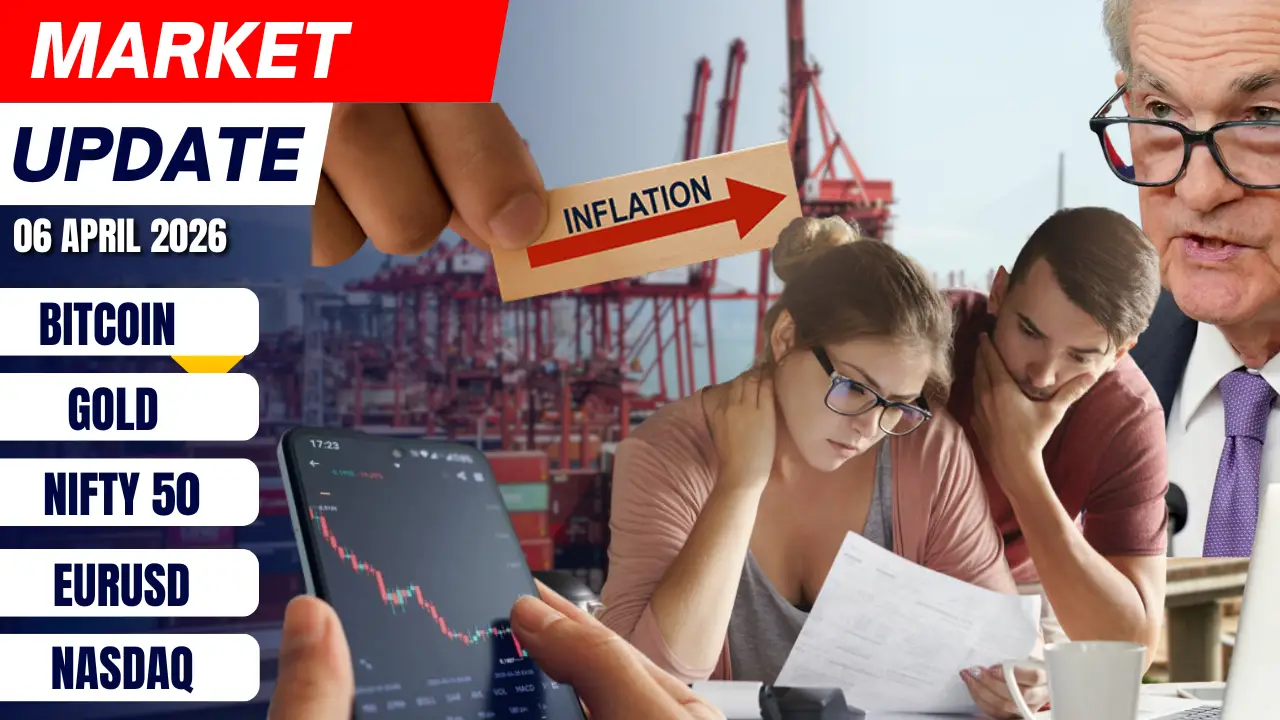
Zylostar Market Wrap – April 6, 2026


Global markets traded cautiously higher as investors weighed escalating geopolitical tensions in the Middle East against renewed diplomatic efforts aimed at securing a potential ceasefire between the U.S. and Iran.
U.S. equity futures edged higher, with S&P 500 futures rising around 0.3% in subdued trading conditions following the Easter holiday, while the U.S. dollar softened and 10-year Treasury yields held steady near 4.34%. In commodities, oil prices pulled back slightly from recent highs, with Brent crude hovering near $108 per barrel, as markets reacted to signs that supply routes may remain partially operational.
Sentiment improved modestly after reports indicated that several vessels successfully transited the Strait of Hormuz, including LNG shipments from Qatar, easing immediate concerns over a complete disruption in global energy flows. This development provided some relief to markets that have been highly sensitive to inflation risks stemming from elevated energy prices.
Meanwhile, equities in Asia posted gains, with the MSCI Asia Pacific Index rising 0.4%, led by strength in technology stocks. The move reflected cautious optimism that ongoing negotiations could lead to at least a temporary de-escalation in the six-week-long conflict.
Diplomatic efforts intensified, with U.S. allies and regional mediators—including Pakistan, Egypt, and Turkey—reportedly pushing for a 45-day ceasefire framework. However, sources suggest the likelihood of a near-term agreement remains low, as Iranian officials reiterated their refusal to accept external pressure or reopen the Strait of Hormuz in exchange for a temporary truce.
On the geopolitical front, tensions remain elevated. Israeli forces continue targeting Iranian infrastructure, while Iran signaled it is preparing a formal diplomatic response to U.S. proposals. In parallel, reports of attacks on key energy and petrochemical facilities in southern Iran, including the South Pars complex, have heightened concerns over supply disruptions.
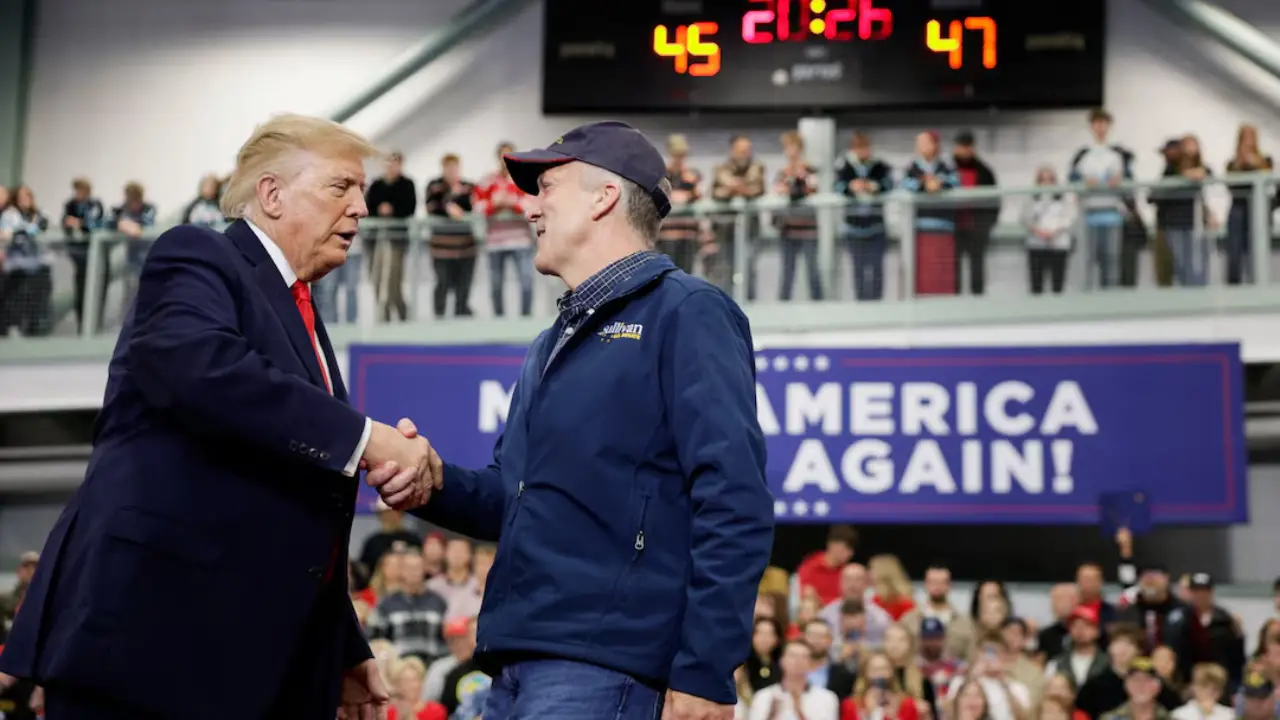
Adding to uncertainty, U.S. President Donald Trump issued renewed warnings, threatening to escalate strikes on Iranian infrastructure if a deal is not reached, setting a reported deadline for diplomatic progress. Despite these developments, negotiations between U.S. and Iranian officials are ongoing through indirect channels.
In precious metals, gold prices declined around 0.6%, extending recent losses as persistent inflation concerns and reduced expectations for near-term rate cuts weighed on the non-yielding asset.
Overall, markets remain caught between geopolitical risk and fragile diplomatic optimism. While signs of continued energy flows and ongoing negotiations are supporting risk sentiment in the short term, the situation remains highly fluid, with headline risk likely to drive volatility in the sessions ahead.
By Amir Amidian
Senior Market Analyst | Zylostar
Markets are being supported by cautious optimism around a potential ceasefire between the U.S. and Iran, along with signs that key oil routes like the Strait of Hormuz remain partially operational.
The primary risk is further escalation in the conflict, particularly any disruption to energy supply or a closure of the Strait of Hormuz, which could sharply increase oil prices and inflation.
Oil eased as reports confirmed that some vessels, including LNG shipments, successfully passed through the Strait of Hormuz, reducing immediate fears of a full supply shock.
Diplomatic efforts are ongoing through intermediaries, but officials suggest the chances of reaching a short-term agreement remain low, with Iran resisting external pressure and deadlines.
Rising geopolitical risks and elevated energy prices are reinforcing inflation concerns, which may delay potential rate cuts and keep monetary policy tighter for longer.
The S&P 500 finished marginally lower on Monday as investors prepared for a busy week of corp...
Markets lean toward a pause as the Federal Reserve weighs persistent inflation against economic r...
U.S. stocks closed lower on Wednesday as hotter-than-expected September inflation data weighed on...
Gold Recovers as Dollar Retreats From 18-Month High Gold prices rebounded by more than 1% on T...
A Potential Mega-Deal Could Reshape the Future of Technology, AI, Space Exploration, and Electric Vehicles Market ...

Gold prices edged higher as a softer U.S. dollar provided support, while investors assessed the Federal Reserve&rsquo...

South Korea’s AI infrastructure newcomer suffers a sharp market debut despite strong IPO demand, highlighting g...