Cooling Inflation Opens Door to Fed Rate Cuts, but Shutdown Clouds Outlook
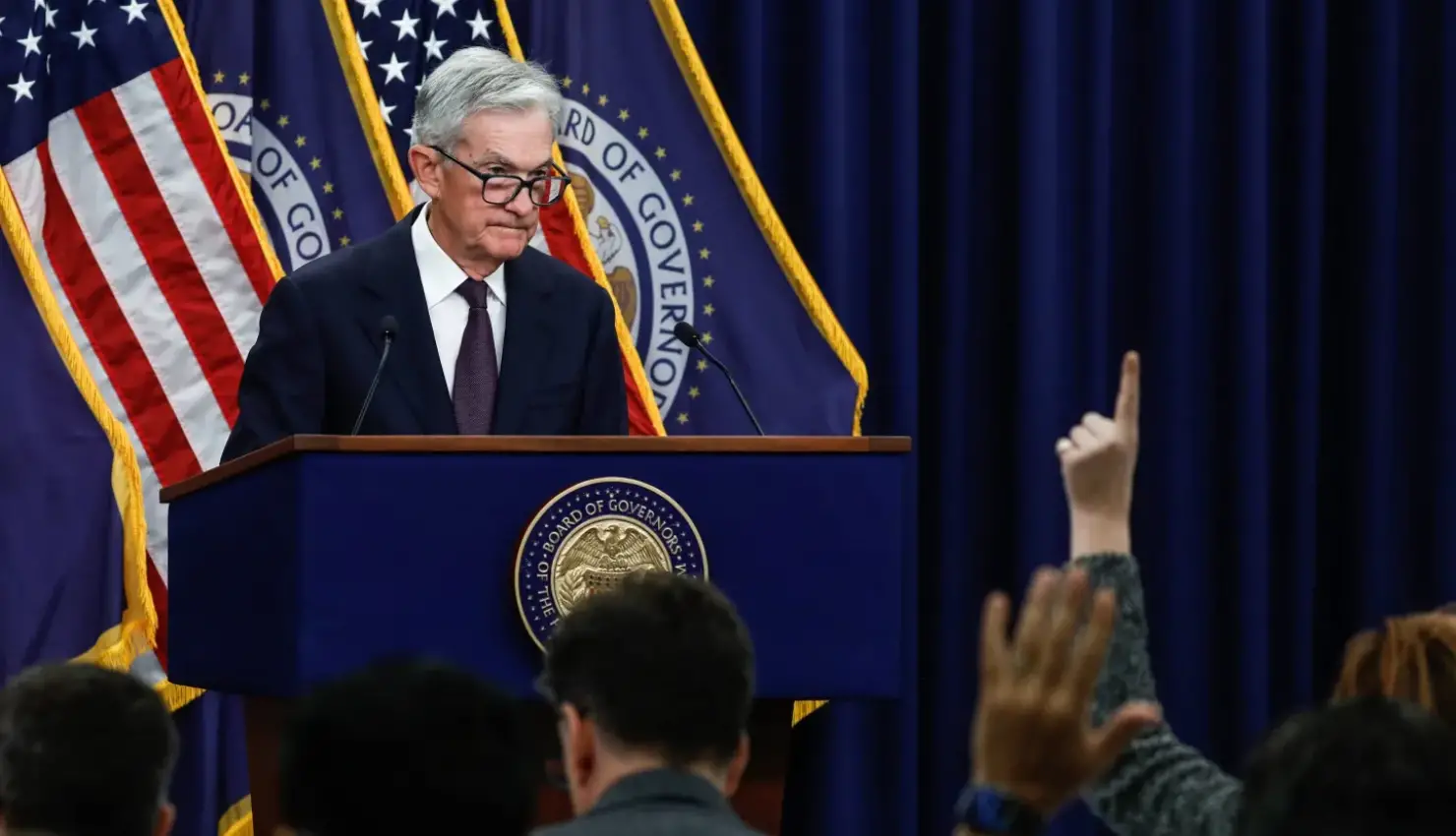


The sharp slowdown in U.S. inflation in November could give the Federal Reserve room to cut interest rates in an effort to support a weakening job market, though the outlook remains complicated by data distortions caused by the recent government shutdown.
According to the Bureau of Labor Statistics, core inflation in the Consumer Price Index fell to a four-year low in November. Under normal circumstances, such a reading would be welcome news for Fed officials, potentially allowing them to ease policy without reigniting price pressures. If confirmed in coming months, the trend would strengthen the case for lower rates.
What This Means for the Economy
A lower federal funds rate reduces borrowing costs across the economy, making consumer loans, mortgages, and business credit cheaper. That typically encourages spending and investment, helping to support growth and hiring at a time when the labor market is showing signs of strain.
However, economists caution that the encouraging inflation data may be misleading. The federal shutdown in October and November disrupted data collection, with the BLS unable to report October price figures at all, raising questions about the reliability of recent readings.
Many economists have long expected inflation to cool as housing prices decelerated following their pandemic-era surge. November’s data may signal that this long-anticipated slowdown has arrived, potentially helping resolve the Fed’s internal debate over whether to keep rates higher for longer or begin cutting to prevent a deeper employment downturn.
“A surprisingly sharp decline in U.S. consumer price inflation should grease the wheels for further Fed easing in 2026,” said Sal Guatieri, senior economist at BMO Capital Markets.
Despite the softer inflation data, financial markets are pricing in only a 26.6% chance of a rate cut at the Fed’s January meeting, following quarter-point cuts at each of the last three meetings. Thursday’s report did little to shift those expectations, as policymakers may wait for clearer, more reliable data before acting again.
“The latest CPI numbers are encouraging for the Federal Reserve, but Fed Chair Jerome Powell has already warned against reading too much into the data due to distortions from the shutdown,” noted Bernard Yaros, lead economist at Oxford Economics.
Still, the report may ease some inflation concerns at the Fed, which has a dual mandate of price stability and maximum employment. Recent data suggest the labor market slowdown deepened in November, increasing the likelihood that policymakers will place greater emphasis on supporting jobs.
“The weaker-than-expected inflation reading for November supports the case for further Fed cuts in the New Year, particularly given the deterioration in labor market conditions,” said Andrew Grantham, senior economist at CIBC.
U.S. stocks finished higher Friday after a surprisingly weak September jobs report increased expe...
In this episode, we break down the latest technical picture across Gold (XAUUSD), Bitcoin (BTCUSD...
The Nifty 50 is currently around 22,780, down roughly 13% from its January all-time high of 26,37...
Stock futures moved slightly higher early Tuesday after the Nasdaq Composite reached a new record...

Alphabet-backed Isomorphic Labs, the AI-powered drug-discovery company spun out of Google DeepMind, is reportedly in ...
U.S. stocks declined Wednesday as rising Treasury yields weighed on investor sentiment, with bond yields reaching the...

SpaceX is reportedly in talks to raise $40 billion in debt financing to purchase Nvidia AI chips, highlighting the en...