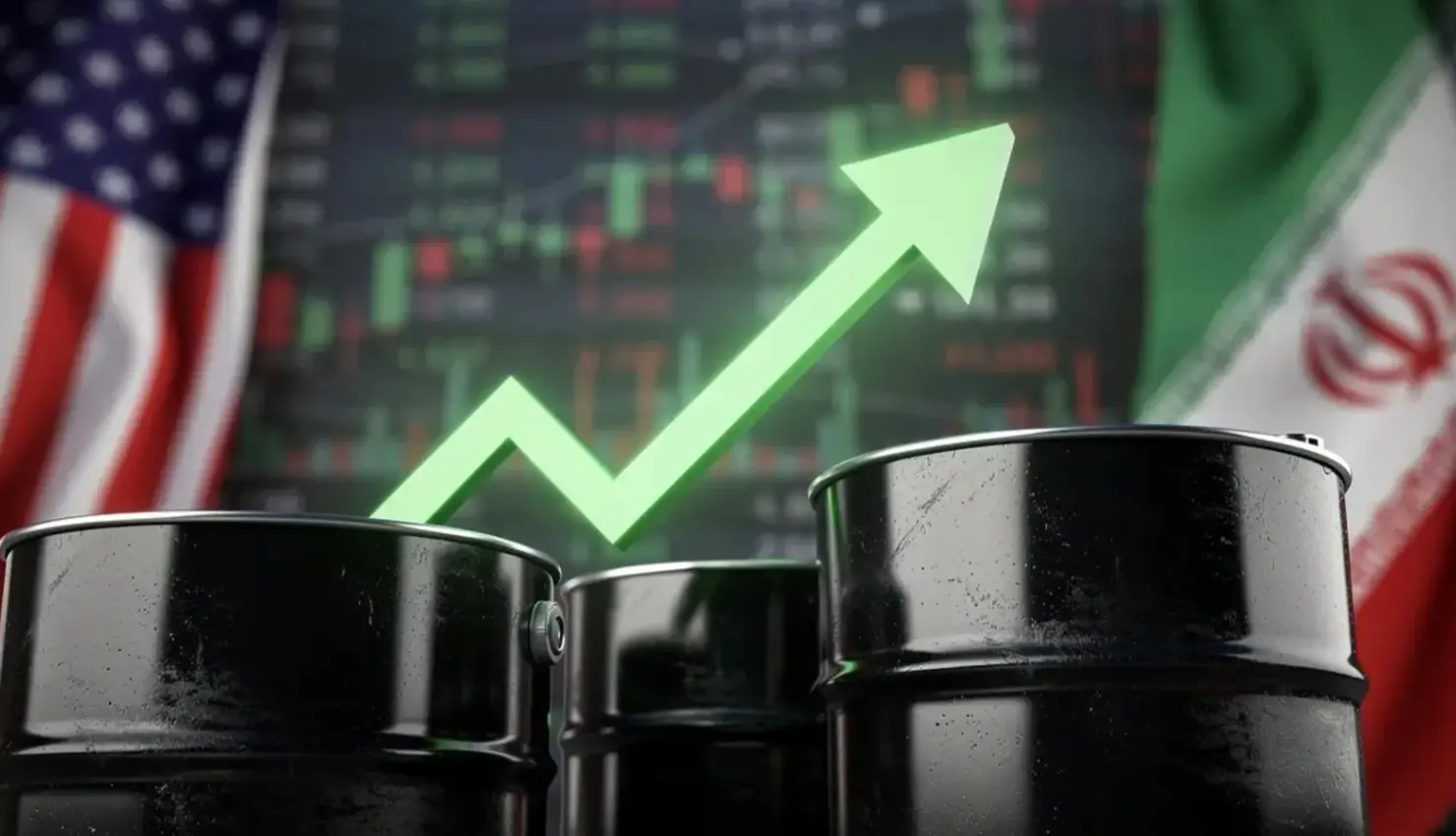
Morgan Stanley Cools Electrical-Vehicles Hype Despite Oil Price Surge
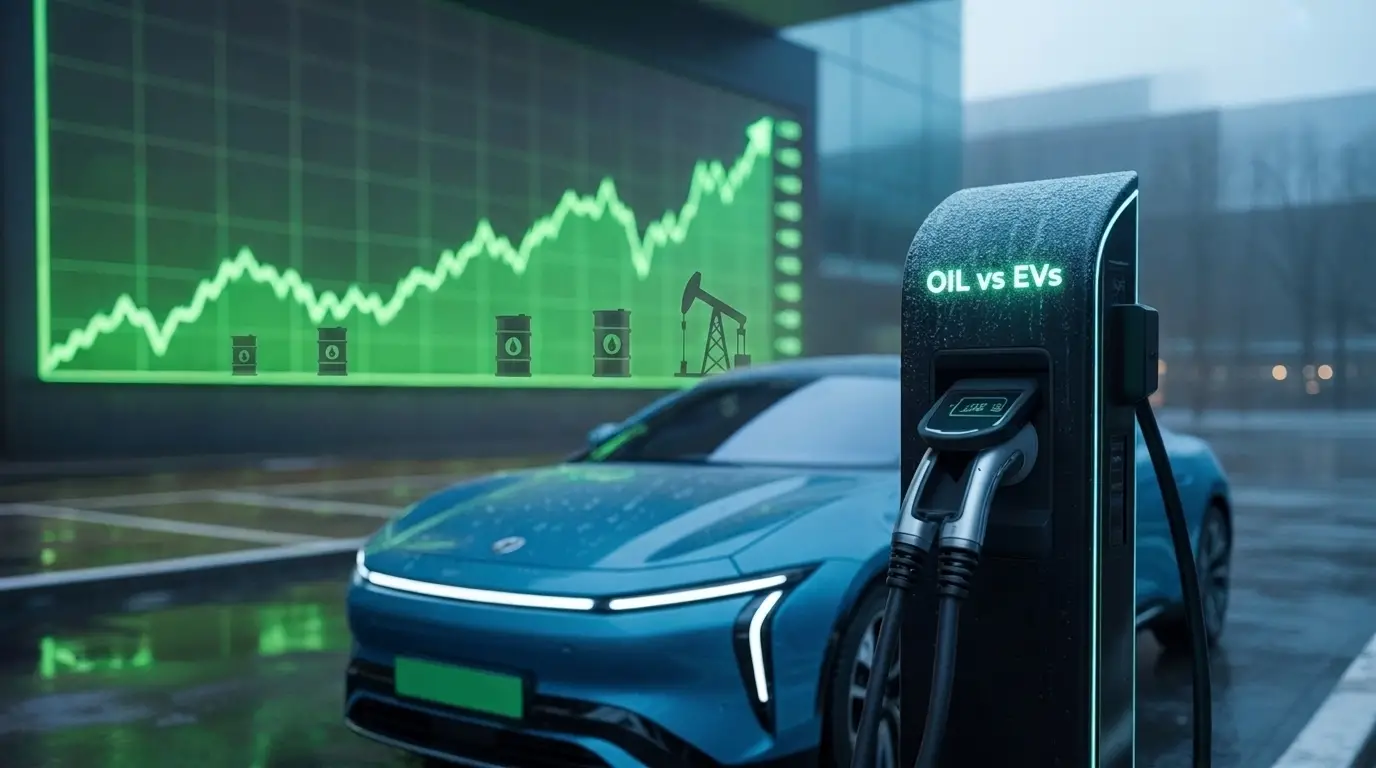


Morgan Stanley is urging caution on the widely held belief that rising oil prices will automatically trigger a boom in electric vehicle demand. While recent headlines and regional sales data have fueled optimism, the bank remains skeptical about a near-term rebound in battery shipments for South Korean manufacturers.
The firm noted that although prolonged oil shocks have historically encouraged a shift toward fuel-efficient and electric vehicles, current conditions may not be strong or sustained enough to drive a meaningful change in consumer behavior. Even during periods of high crude prices, EVs often remain more expensive than traditional alternatives, limiting widespread adoption.
Recent developments have already challenged the bullish narrative. A ceasefire-driven pullback in oil prices has weakened the “high oil equals high EV demand” theme, highlighting how quickly sentiment can shift. Morgan Stanley emphasized the importance of distinguishing between market optimism and actual industrial output.
While South Korean battery producers remain strategically positioned to benefit from the long-term energy transition, the bank warned that structural constraints—particularly cost differences and cautious consumer demand—could delay a significant increase in shipment volumes.
For investors, the takeaway is clear: stock performance may continue to diverge from real demand until stronger, sustained signals emerge in the EV market.
Morgan Stanley is urging caution on the widely held belief that rising oil prices will automatically trigger a boom in electric vehicle demand. While recent headlines and regional sales data have fueled optimism, the bank remains skeptical about a near-term rebound in battery shipments for South Korean manufacturers.
The firm noted that although prolonged oil shocks have historically encouraged a shift toward fuel-efficient and electric vehicles, current conditions may not be strong or sustained enough to drive a meaningful change in consumer behavior. Even during periods of high crude prices, EVs often remain more expensive than traditional alternatives, limiting widespread adoption.
Recent developments have already challenged the bullish narrative. A ceasefire-driven pullback in oil prices has weakened the “high oil equals high EV demand” theme, highlighting how quickly sentiment can shift. Morgan Stanley emphasized the importance of distinguishing between market optimism and actual industrial output.
While South Korean battery producers remain strategically positioned to benefit from the long-term energy transition, the bank warned that structural constraints—particularly cost differences and cautious consumer demand—could delay a significant increase in shipment volumes.
For investors, the takeaway is clear: stock performance may continue to diverge from real demand until stronger, sustained signals emerge in the EV market.
Because current oil price increases may not be sustained enough to shift consumer behavior.
EVs still carry a price premium compared to traditional vehicles.
A pullback in oil prices reduced enthusiasm for the EV demand narrative.
The difference between market sentiment and actual industrial demand.
Positive, but near-term growth may be slower due to structural constraints.
Alphabet-backed Isomorphic Labs, the AI-powered drug-discovery company spun out of Google DeepMin...
Stock futures moved slightly higher early Tuesday after the Nasdaq Composite reached a new record...
U.S. stocks ended mixed on Thursday as fresh concerns surrounding OpenAI’s revenue performa...
Bitcoin recovered above $81,000–$82,000 as investors responded to U.S. President Donald Tru...

Technology stock weakness and surging energy prices put investors on alert, raising fears of renewed inflation, highe...

Willow chip cuts quantum computing errors by 40 times, advancing research that could eventually reshape the cybersecu...
Markets lean toward a pause as the Federal Reserve weighs persistent inflation against economic resilience and the ne...