Financial markets navigated another week shaped by inflation data, Federal Reserve signals, labor-market weakness, and ongoing geopolitical tensions in the Middle East.
Here’s what moved the markets this week:
🇨🇦 Canada Inflation
Canada’s inflation edged higher in April:
• CPI rose to 2.8% from 2.4%
• Higher gasoline and energy prices were the main drivers
• Softer rent growth and lower travel costs helped ease broader pressures
Energy prices continue to play a major role in inflation trends.
🇬🇧 UK Inflation
UK inflation came in slightly below expectations:
• CPI eased to 2.8% from 3.3%
• Housing and services inflation cooled
• Higher fuel prices still kept some upward pressure in the background
The data supported expectations for a more cautious Bank of England outlook.
🇺🇸 Federal Reserve Minutes
Fed minutes reinforced a cautious policy stance:
• Policymakers remain focused on geopolitical risks
• Energy-driven inflation remains a concern
• Markets expect rates to stay higher for longer
• Rate cuts are increasingly priced toward late 2026 into 2027
Meanwhile, equities continued recovering on strong earnings and technology-sector momentum.
🇦🇺 Australia Labour Market
Australia’s labor market showed early signs of softening:
• Employment fell by 18,600
• Unemployment rose to 4.5%
• Youth unemployment jumped sharply to 11.1%
The figures point to weakening hiring momentum.
🌍 Middle East Geopolitics
Geopolitical tensions remained a major focus:
• UAE, Saudi Arabia, and Qatar increased diplomatic efforts
• Regional leaders are pushing against military escalation toward Iran
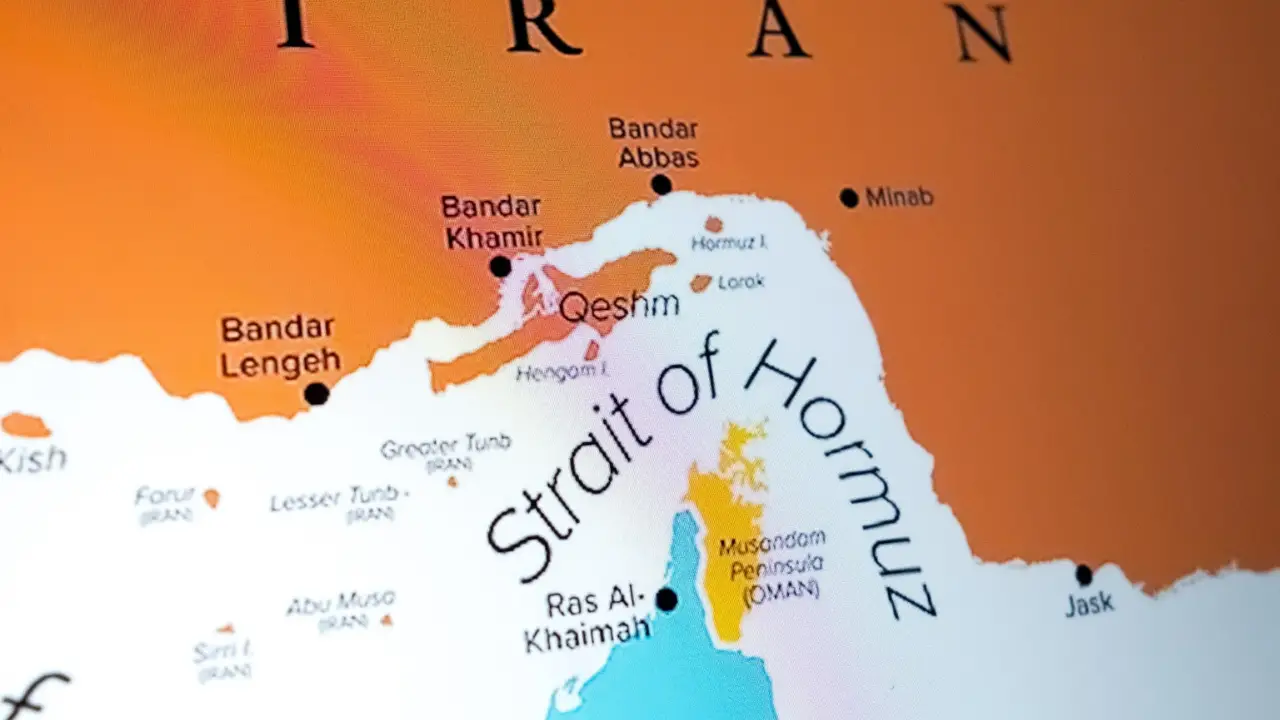
• Markets remain focused on risks surrounding the Strait of Hormuz
Any escalation could significantly impact global energy supply and market sentiment.