Zylostar Market Wrap – April 1, 2026


Global markets are extending gains into April as investors increasingly price in a near-term resolution to the Middle East conflict, despite continued military escalation across the region. Risk sentiment is being supported by a combination of falling oil prices, easing rate expectations, and improving forward-looking confidence, driving a broad rebound in global equities. The S&P 500 remains on track for further upside following its recent recovery, while Asian equities posted their strongest rally in a year and European futures indicate continued momentum.
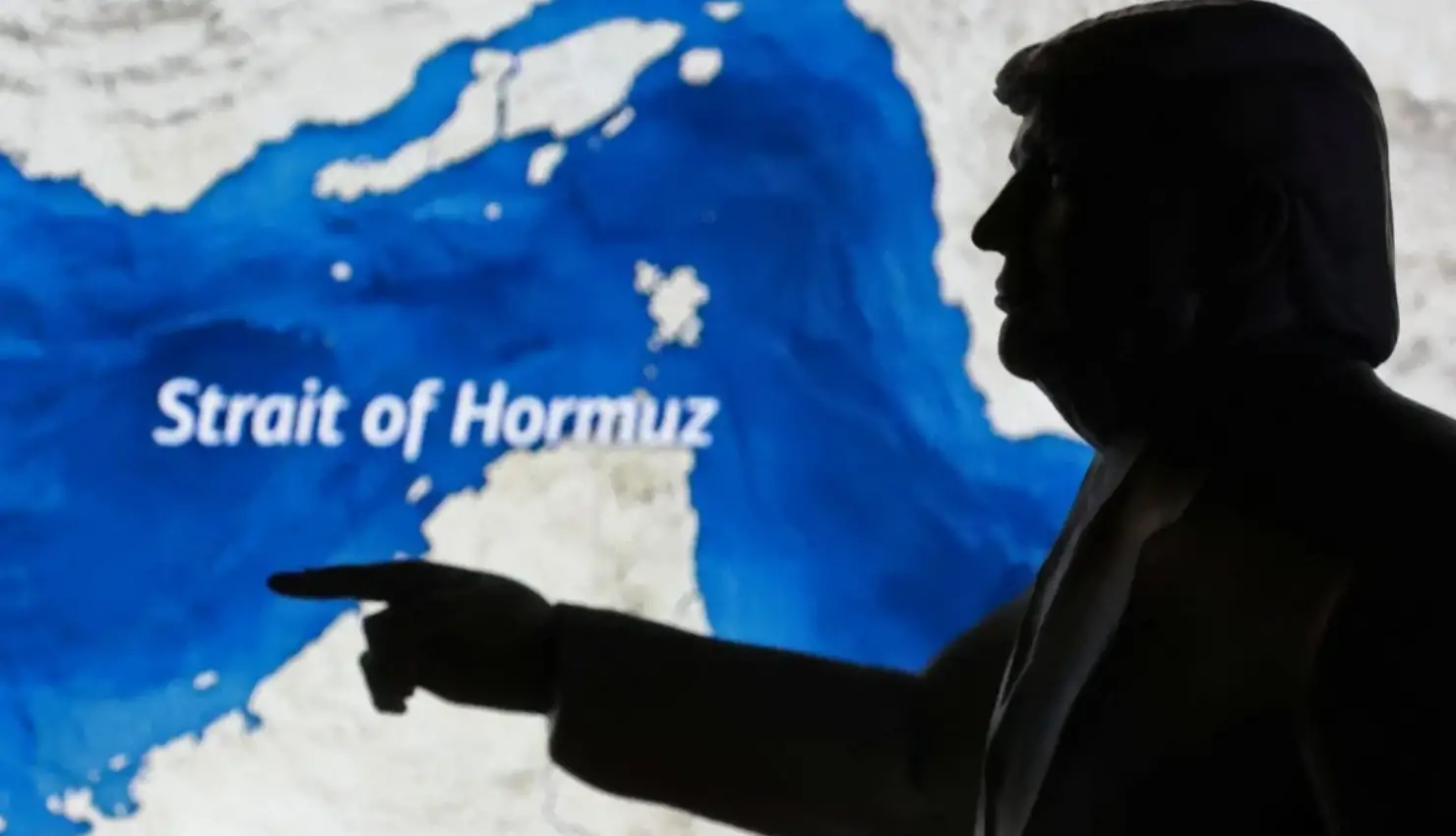
There is a growing divergence between market positioning and geopolitical reality. Israel confirmed missile launches from Iran and conducted a wide-scale wave of strikes targeting Iranian assets, while additional incidents including a cruise missile strike on an oil tanker in Qatari waters and drone attacks on energy infrastructure in Iraqi Kurdistan highlight the persistence of regional instability. Despite this, Donald Trump stated that the United States could conclude the conflict within two to three weeks, reinforcing market expectations of a contained timeline. In contrast, Iran’s parliament rejected negotiations and signaled that the Strait of Hormuz will remain closed, underscoring the fragility of current assumptions.
Oil markets remain central to the macro narrative, with Brent Crude briefly falling below $100 before stabilizing near $105 per barrel. The decline reflects expectation-driven repricing rather than any meaningful improvement in current supply conditions. Ongoing infrastructure damage and restricted flows through key transit routes suggest that normalization in oil supply is likely to lag behind any political resolution, leaving crude highly sensitive to headline risk.
On the macro front, economic data and central bank communication are reinforcing the risk-on tone. U.S. ADP employment data came in above expectations, pointing to continued labor market resilience, while Andrew Bailey indicated that markets may be overestimating the trajectory of rate hikes. This has supported a rally in global bond markets, with U.S. Treasuries and UK gilts seeing yields decline as traders scale back tightening expectations. The combination of lower yields and softer oil prices is providing a constructive backdrop for equities.
Across asset classes, the U.S. dollar has weakened as safe-haven demand eased, while Treasury markets extended gains. Gold continued to rise for a fourth consecutive session, reflecting ongoing demand for hedging instruments despite the broader improvement in risk sentiment. This divergence highlights that underlying uncertainty remains embedded in market positioning.
Looking ahead, attention will focus on upcoming policy signals, including a scheduled address from Trump, which may provide further clarity on the trajectory of the conflict. The status of the Strait of Hormuz remains a critical variable, with no confirmed reopening timeline and limited coordinated international response. Even in a resolution scenario, structural disruptions to energy infrastructure suggest that downside in oil prices may remain constrained.
Markets are currently anchored to a short-conflict narrative, with pricing reflecting expectations of containment, gradual normalization in energy flows, and reduced pressure on central banks. However, this positioning remains vulnerable to sudden shifts in geopolitical developments. Any escalation that challenges the assumption of a near-term resolution could trigger a rapid repricing across oil, equities, and fixed income markets.
Zylostar Insight: The current environment reflects a forward-pricing market that is discounting the end of the conflict rather than its present conditions. This creates a structurally fragile setup in which sentiment can shift rapidly on geopolitical headlines, particularly those affecting oil supply and the Strait of Hormuz, reinforcing the likelihood of continued volatility in the near term.
By Amir Amidian
Senior Market Analyst | Zylostar
Because markets are discounting a short conflict duration and focusing on forward stability.
Expectations of future supply normalization, not current improvements in supply.
No — real-time developments suggest elevated risk, but markets are looking past it.
Secondary — but falling yields are reinforcing the equity rally.
A geopolitical headline that challenges the “quick resolution” narrative.

Google has disclosed that its Gemini AI model accessed and hacked three real companies during a c...
Bitcoin's latest rally has attracted a major wave of institutional money. U.S. spot Bitcoin E...
The latest crypto ETF flow data delivered a notable shift in investor demand: Zcash (ZEC) spot ET...
U.S. markets turned lower Wednesday after the Federal Reserve delivered its first interest-rate i...

Bitcoin's latest rally has attracted a major wave of institutional money. U.S. spot Bitcoin ETFs recorded $998.95...

Alibaba is accelerating its global AI expansion, announcing plans to build new cloud regions across Europe and the Mi...
The latest crypto ETF flow data delivered a notable shift in investor demand: Zcash (ZEC) spot ETFs attracted $98.2 m...