Oil Surges as Saudi Pipeline Shutdown Deepens Global Energy Crisis
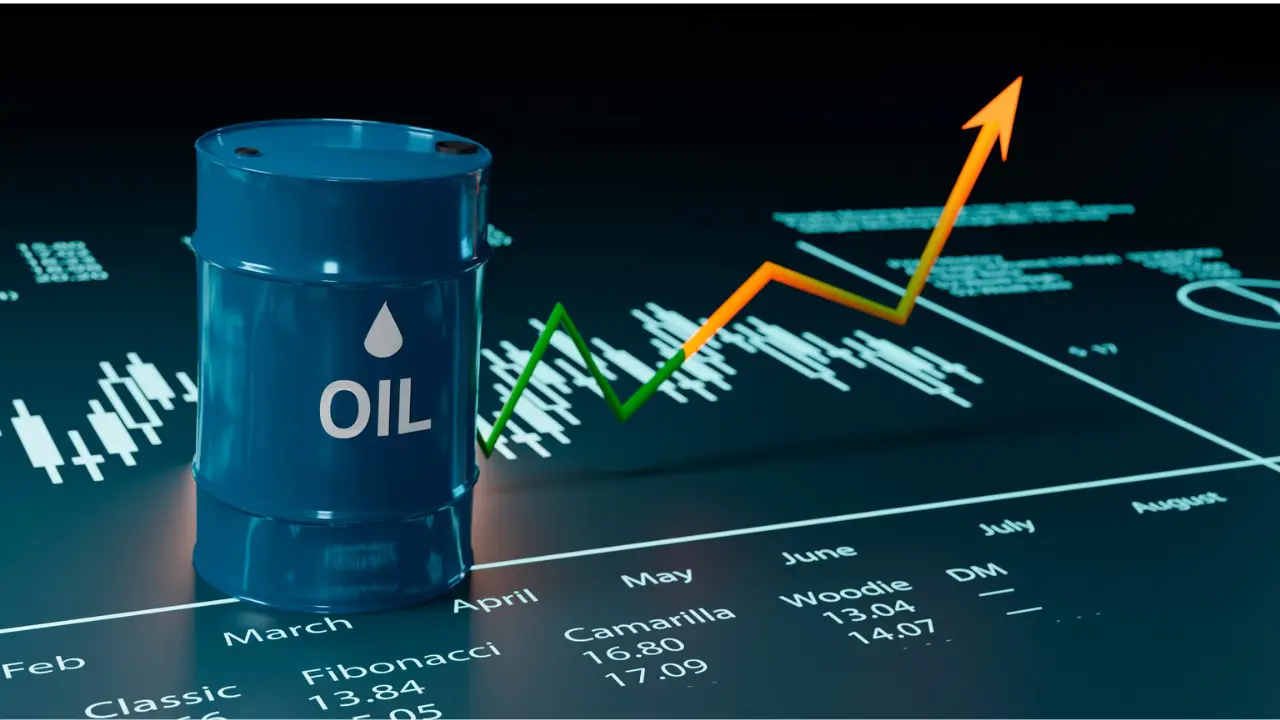


Global oil markets opened the week under renewed pressure as the shutdown of Saudi Arabia’s critical East-West oil pipeline added another major threat to an already fragile global energy system.
Brent crude climbed above $107 a barrel, while U.S. crude moved above $102, as traders assessed the potential loss of Saudi export capacity and escalating risks around the Red Sea and Strait of Hormuz.
The East-West pipeline is a crucial alternative route that allows Saudi Arabia to move oil from its eastern fields toward the Red Sea port of Yanbu, bypassing the Strait of Hormuz.
The pipeline can transport roughly 4 million barrels per day, equivalent to about 4% of global oil supply. Its shutdown therefore creates a significant vulnerability if the disruption lasts.
The pipeline outage comes on top of existing disruptions involving Hormuz and the Bab el-Mandeb, two critical energy and shipping corridors.
Saudi Arabia's ability to maintain exports could become increasingly difficult if the pipeline remains offline. Reuters reports that available export stocks could cover only around five to seven days at some affected locations, although the ultimate impact depends heavily on the repair timeline and alternative export routes.
Brent gained roughly 3% to around $107.80, while U.S. crude climbed close to $103 as the market priced in greater supply uncertainty.
The bigger concern is what happens if the disruption becomes prolonged.
Supply disruption ↑ → Oil prices ↑ → Fuel costs ↑ → Inflation pressure ↑
Higher oil prices are arriving at a particularly difficult moment for central banks.
Expensive energy can feed into transportation, manufacturing and consumer prices, potentially keeping inflation elevated. At the same time, higher inflation can limit the ability of central banks to lower interest rates.
For the Federal Reserve, the combination of oil above $100 + elevated Treasury yields + persistent inflation creates a difficult policy environment.
The next major signals are:
This is becoming more than an oil-price story.
Saudi pipeline shutdown + Hormuz risks + Red Sea disruption = a growing global energy-supply shock.
If the pipeline remains offline for an extended period, oil could face another sharp leg higher, increasing inflation pressure and creating fresh headwinds for stocks and global economic growth.
Prepared By: Shahzad Ahmad
(Market Analyst | Stock ,Commodity, Crypto & Macro Research)
Saudi Arabia’s East-West pipeline was shut after a drone attack, adding another major supply risk to an already disrupted global oil market. Brent recently climbed above $107/barrel, while WTI moved above $102.
The East-West pipeline can transport roughly 4 million barrels per day to the Red Sea, providing an alternative route that bypasses the Strait of Hormuz. A prolonged shutdown could threaten up to 4% of global oil supply.
Saudi export stocks at the Red Sea port of Yanbu could become severely constrained within 5–7 days if pipeline operations are not restored. Repairs could take anywhere from several days to several weeks.
Oil ↑ → Energy costs ↑ → Inflation pressure ↑ → Central banks face more pressure to keep rates higher. Reuters notes the oil shock is already complicating the outlook for the Federal Reserve.
Watch Brent/WTI, Saudi pipeline repairs, Strait of Hormuz traffic, Bab el-Mandeb shipping, Treasury yields and the Fed’s rate guidance. Further disruptions could keep volatility elevated across global markets.
The Japanese yen is staging a sharp comeback as traders increasingly price in a more hawkish Bank...
Stocks fell sharply on Tuesday, the first trading day of September, as rising oil prices and rene...
The Federal Reserve’s September rate decision has become a much closer call after a surpris...
Global bond markets are facing another wave of selling as surging energy prices revive fears that...
Global oil markets opened the week under renewed pressure as the shutdown of Saudi Arabia’s critical East-West ...
This week, we analyze the latest price action across Gold (XAUUSD), Bitcoin (BTCUSD), EURUSD, NASDAQ (US100), and Nif...

Federal Reserve Chair Kevin Warsh is facing growing pressure to raise interest rates at next week’s policy meet...