Oil Prices Swing as Supply Risks and Global Uncertainty Drive Volatility
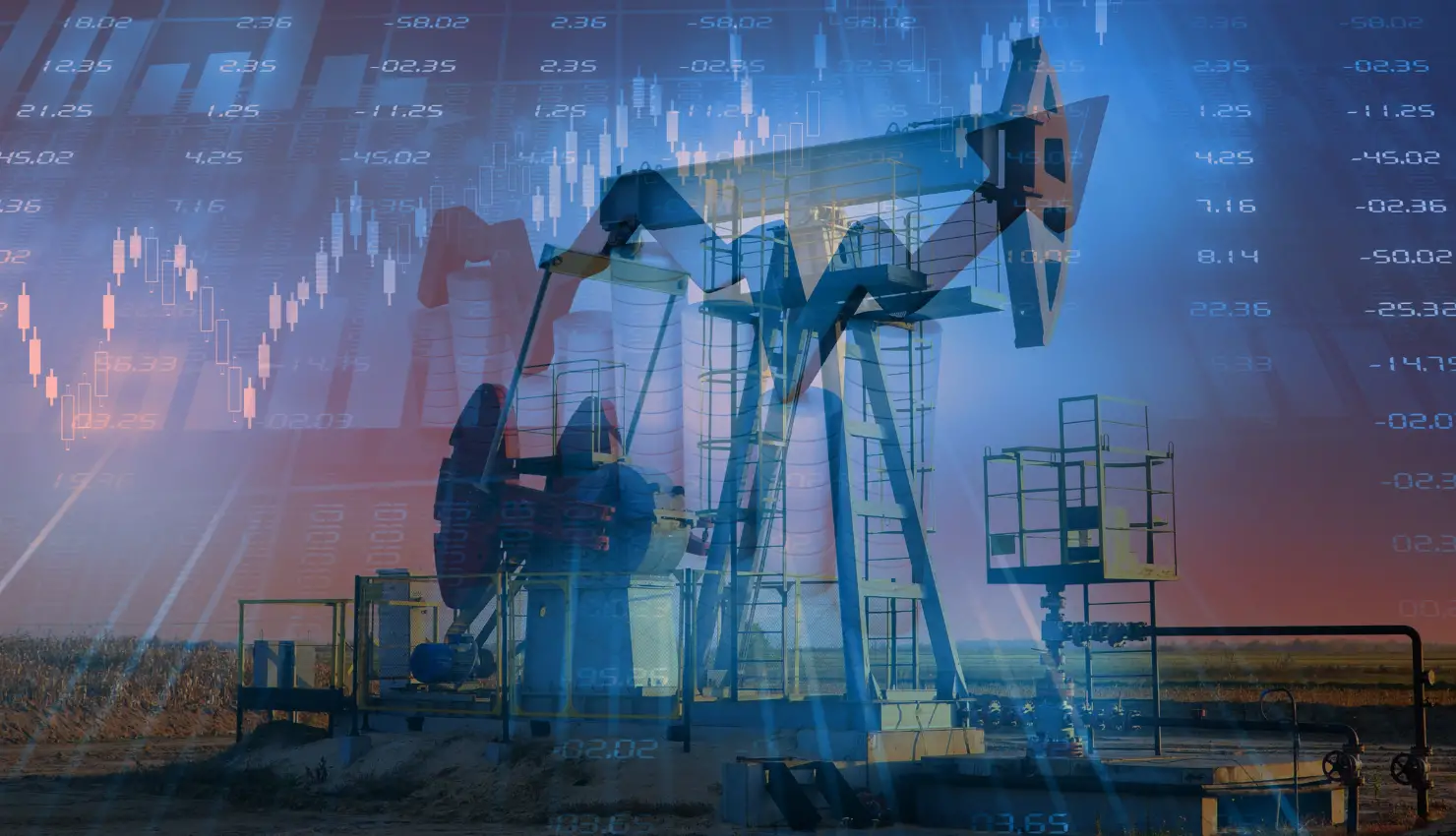


Global oil markets remain highly volatile, with prices reacting sharply to production policy, geopolitical tensions, and shifting demand expectations.
The Organization of the Petroleum Exporting Countries (OPEC) continues to play a central role in price direction. Output cuts typically support prices, while increased production pressures the market lower. Traders closely monitor OPEC+ meetings for supply signals.
Oil prices are primarily driven by global supply and demand. Slowing economic growth in major economies can weaken demand, while tight supply conditions push prices higher. Futures markets amplify these movements as investors price in expectations.
Political instability in key oil-producing regions often injects a “risk premium” into prices. Any threat to Middle East supply routes can trigger sudden upward spikes.
Hurricanes, floods, or refinery outages can disrupt output and cause short-term price jumps. Meanwhile, rising storage inventories — particularly at major hubs — can signal oversupply and weigh on prices.
Higher global interest rates tend to slow economic activity, reducing fuel consumption. A stronger U.S. dollar also makes oil more expensive for other countries, limiting demand.
Analysts say oil will likely remain sensitive to production decisions, macroeconomic data, and geopolitical headlines. With multiple forces pulling in opposite directions, volatility is expected to persist in the near term.
Analysis By- Shahzad Ahmad
The biggest driver is supply and demand. If global supply exceeds demand, prices fall. If demand is stronger than supply, prices rise.
The Organization of the Petroleum Exporting Countries (OPEC) sets production targets for member countries.
Production cuts usually push prices higher.
Increased output often pressures prices lower.
Many major oil producers are located in politically sensitive regions. Wars, sanctions, or instability can threaten supply, causing prices to spike due to uncertainty.
Yes, indirectly. Higher interest rates can slow economic growth and reduce fuel demand. A stronger U.S. dollar also makes oil more expensive globally, limiting demand.
Oil reacts quickly to:
✔ Production decisions
✔ Economic data
✔ Natural disasters
✔ Inventory levels
✔ Market speculation
Because multiple global factors influence it at once, oil remains one of the most volatile commodities in financial markets.
Alphabet-backed Isomorphic Labs, the AI-powered drug-discovery company spun out of Google DeepMin...
In this episode, we break down the latest technical picture across Gold (XAUUSD), Bitcoin (BTCUSD...
Stock futures moved slightly higher early Tuesday after the Nasdaq Composite reached a new record...
U.S. stocks ended mixed on Thursday as fresh concerns surrounding OpenAI’s revenue performa...

Technology stock weakness and surging energy prices put investors on alert, raising fears of renewed inflation, highe...

Willow chip cuts quantum computing errors by 40 times, advancing research that could eventually reshape the cybersecu...
Markets lean toward a pause as the Federal Reserve weighs persistent inflation against economic resilience and the ne...