Middle East Conflict to Have Lasting Impact Despite Ceasefire



The recent ceasefire between the United States and Iran may have eased immediate tensions, but the economic and financial consequences of the six-week conflict are expected to linger.
Ajay Rajadhyaksha, a debt research analyst at Barclays, emphasized that the ceasefire does not erase the damage արդեն done. He noted that the conflict will leave a lasting mark on global markets, stating that “there will be a bill” for the disruption caused over the past several weeks.
Barclays maintains its base-case forecast for 2026, projecting Brent crude prices to average around $85 per barrel. While current tensions have eased, the structural impact of supply shocks and geopolitical risk continues to influence long-term pricing expectations.
The bond market is still anticipating more than two interest-rate hikes by the European Central Bank this year. This reflects ongoing concerns about inflation and economic stability, even as geopolitical risks temporarily subside.
Rajadhyaksha also pointed out that U.S. consumers now have less financial resilience compared to earlier in the year. Reduced savings buffers and tighter financial conditions may make households more vulnerable to future economic shocks.
Despite these concerns, investor sentiment has improved following the ceasefire. Barclays noted that clients are expressing relief and are increasingly focused on underlying economic fundamentals rather than geopolitical headlines.
While the ceasefire has calmed markets in the short term, analysts warn that the aftereffects of the conflict—ranging from energy price volatility to tighter financial conditions—will continue to shape the global economic landscape in the months ahead.
Barclays believes the economic damage from the six-week conflict—such as supply disruptions, higher energy prices, and market volatility—will continue to affect global markets even after the ceasefire.
Barclays expects Brent crude to average around $85 per barrel in 2026, reflecting ongoing geopolitical risks and structural supply concerns.
The bond market is currently pricing in more than two interest-rate hikes by the European Central Bank, indicating continued focus on inflation control.
According to Barclays, U.S. consumers now have less financial cushion compared to earlier in the year, meaning they may be more vulnerable to economic shocks like inflation or rising interest rates.
Investor sentiment has improved, with many showing relief after the ceasefire and shifting focus back to economic fundamentals rather than geopolitical tensions.
U.S. stocks finished higher Friday after a surprisingly weak September jobs report increased expe...
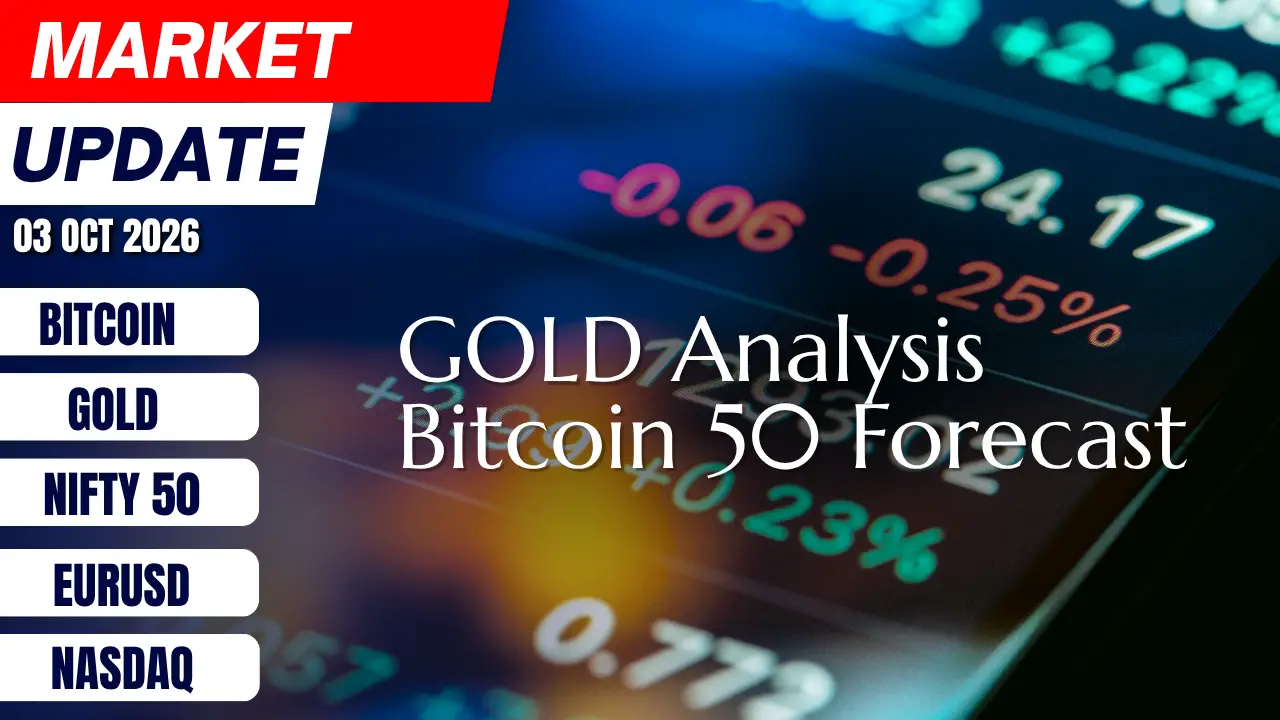
In this episode, we break down the latest technical picture across Gold (XAUUSD), Bitcoin (BTCUSD...
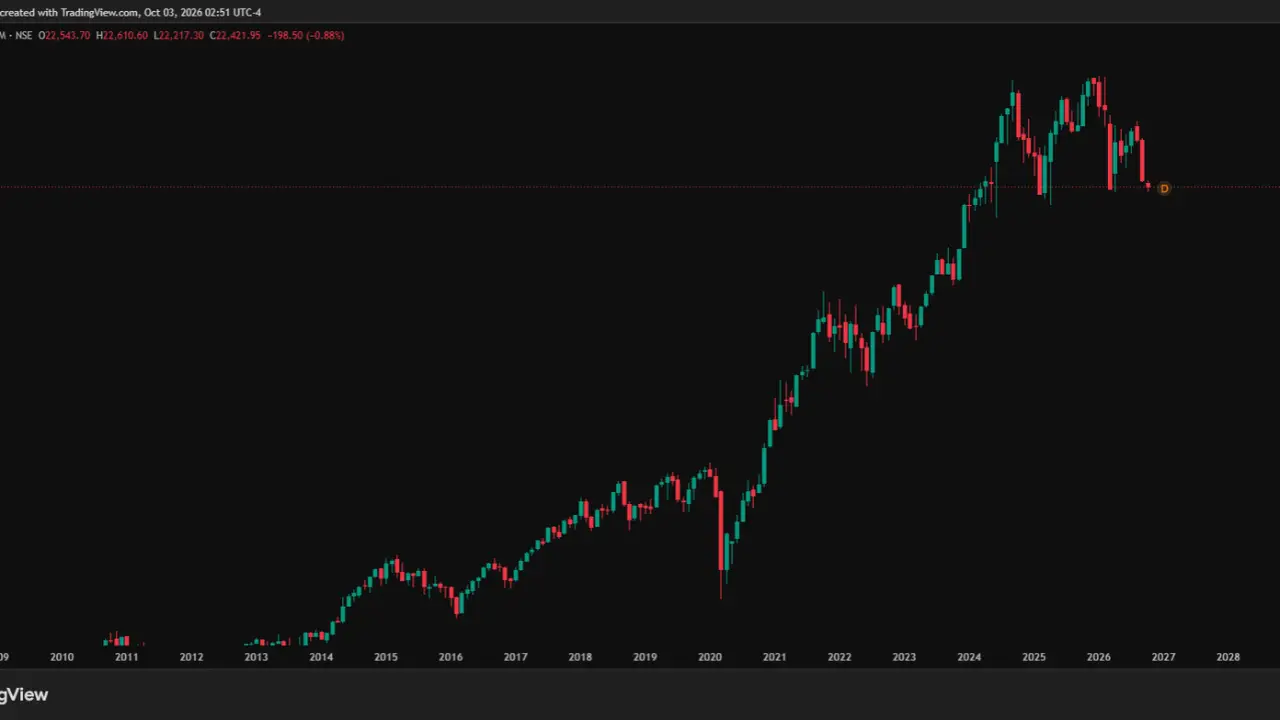
The Nifty 50 is currently around 22,780, down roughly 13% from its January all-time high of 26,37...
Stock futures moved slightly higher early Tuesday after the Nasdaq Composite reached a new record...

Alphabet-backed Isomorphic Labs, the AI-powered drug-discovery company spun out of Google DeepMind, is reportedly in ...
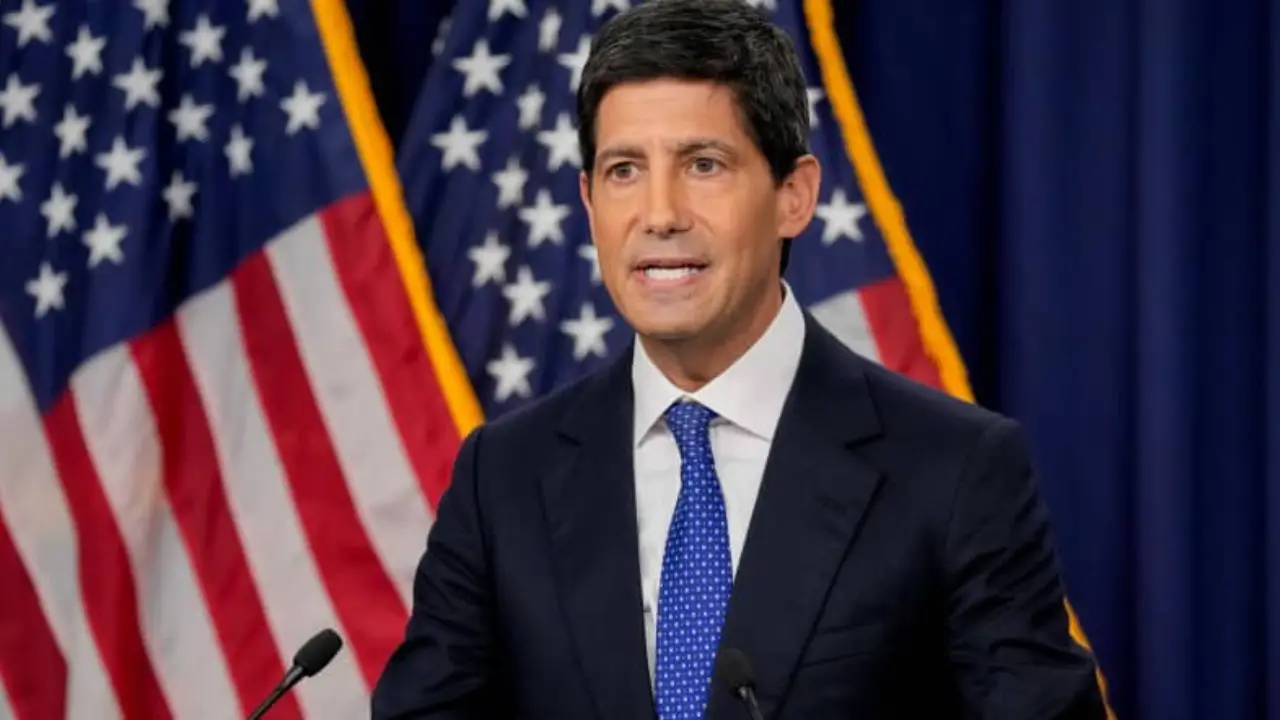
U.S. stocks declined Wednesday as rising Treasury yields weighed on investor sentiment, with bond yields reaching the...
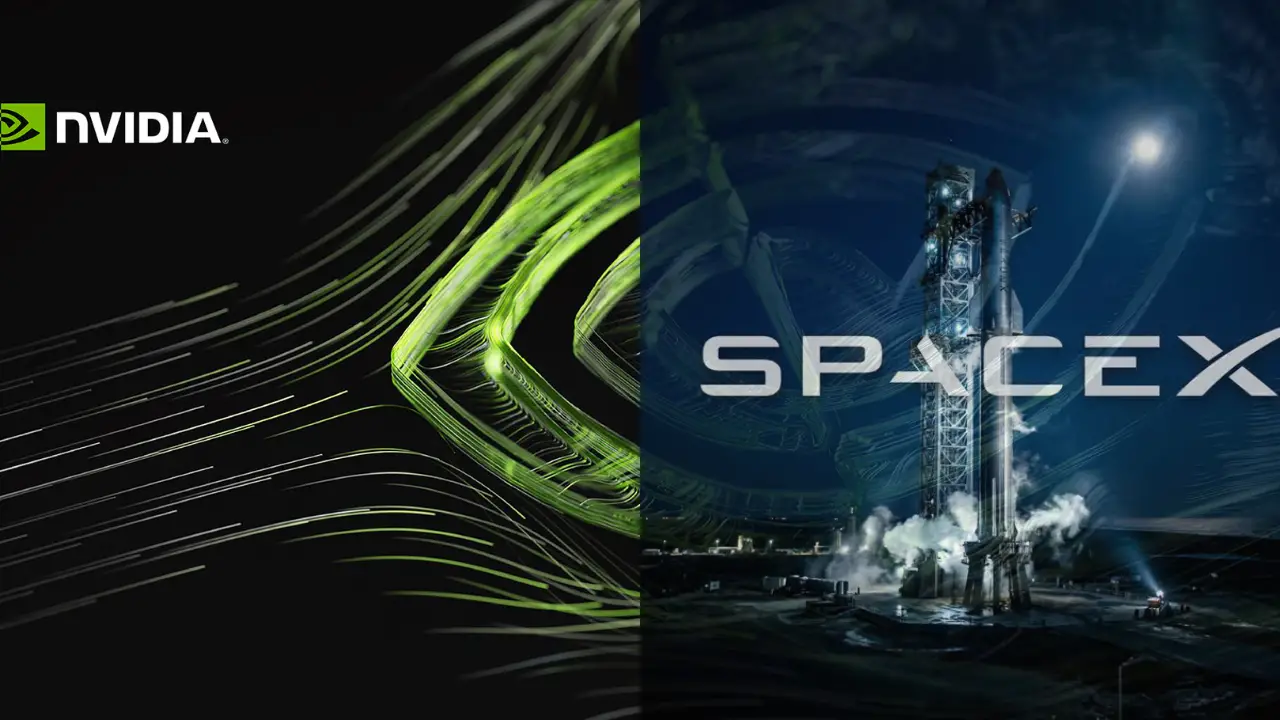
SpaceX is reportedly in talks to raise $40 billion in debt financing to purchase Nvidia AI chips, highlighting the en...