🌍 Middle East Ceasefire Sparks Global Market Rally, Oil Prices Tumble
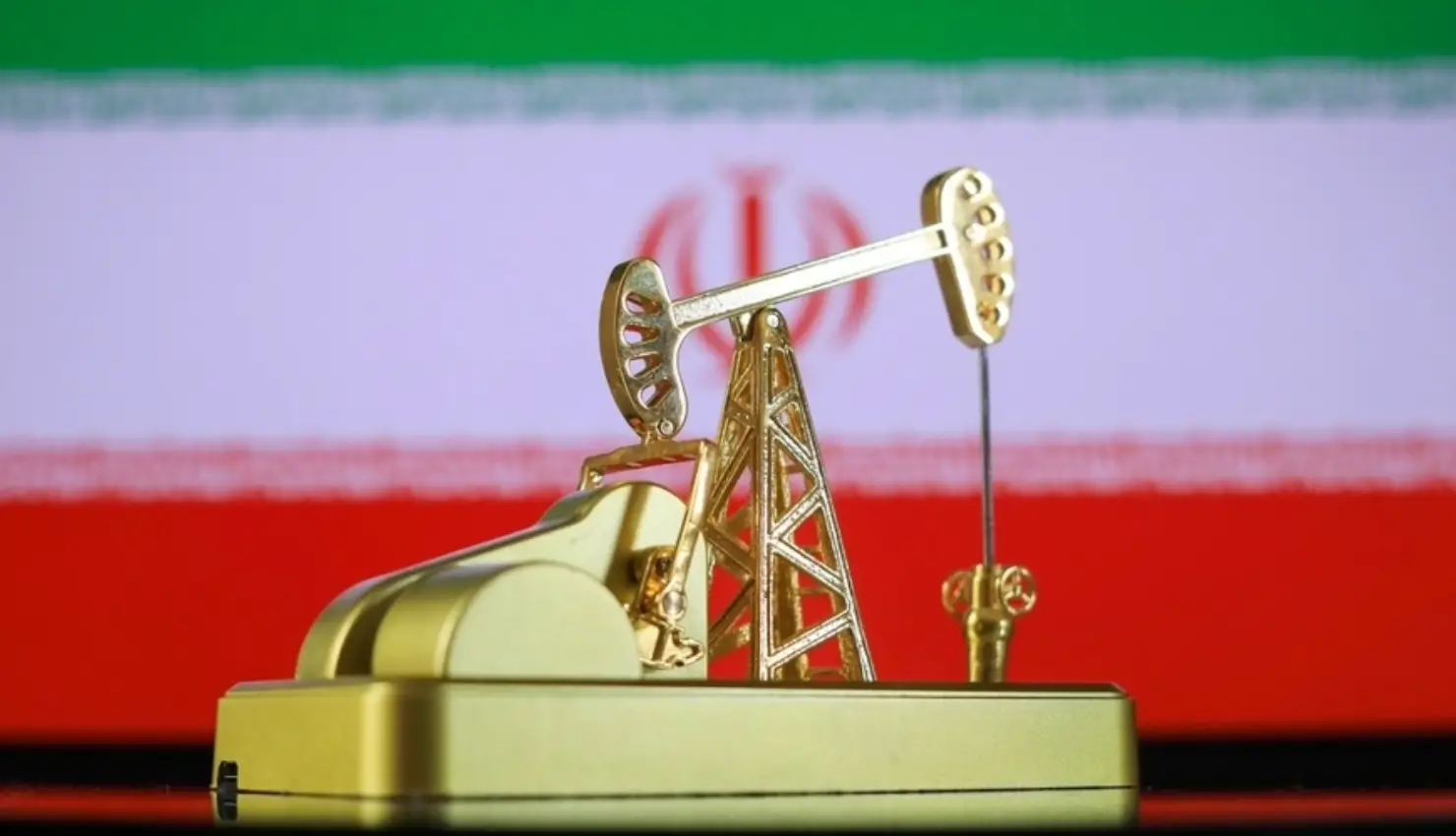


Global financial markets surged on Wednesday after a temporary ceasefire in the Middle East eased investor fears, triggering a sharp drop in oil prices and a broad rally in equities and bonds.
Oil prices fell dramatically as hopes grew for the reopening of the Strait of Hormuz—a critical route that carries nearly 20% of the world’s energy supplies.
The decline follows weeks of disruption after tensions escalated due to U.S. and Israeli strikes on Iran.
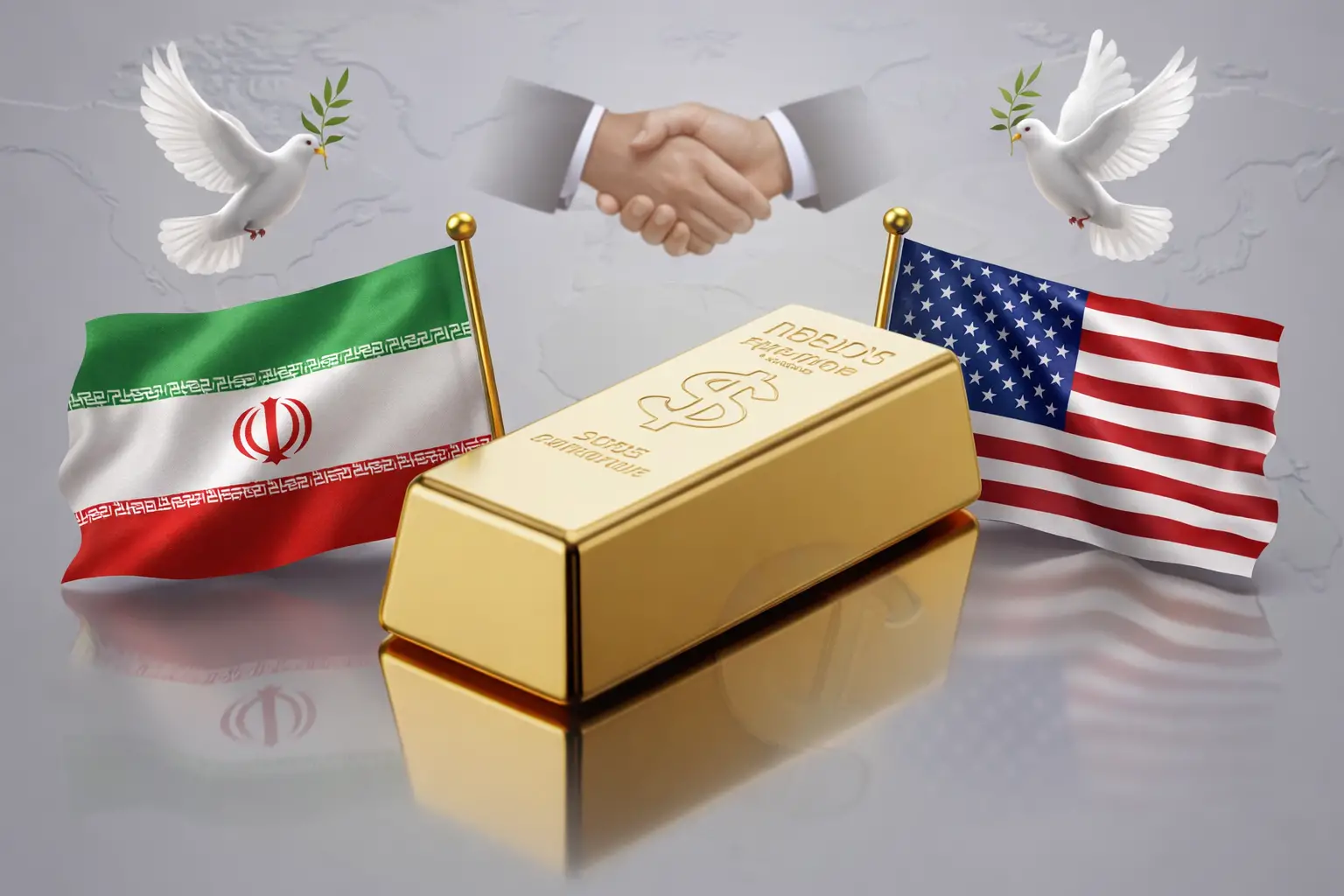
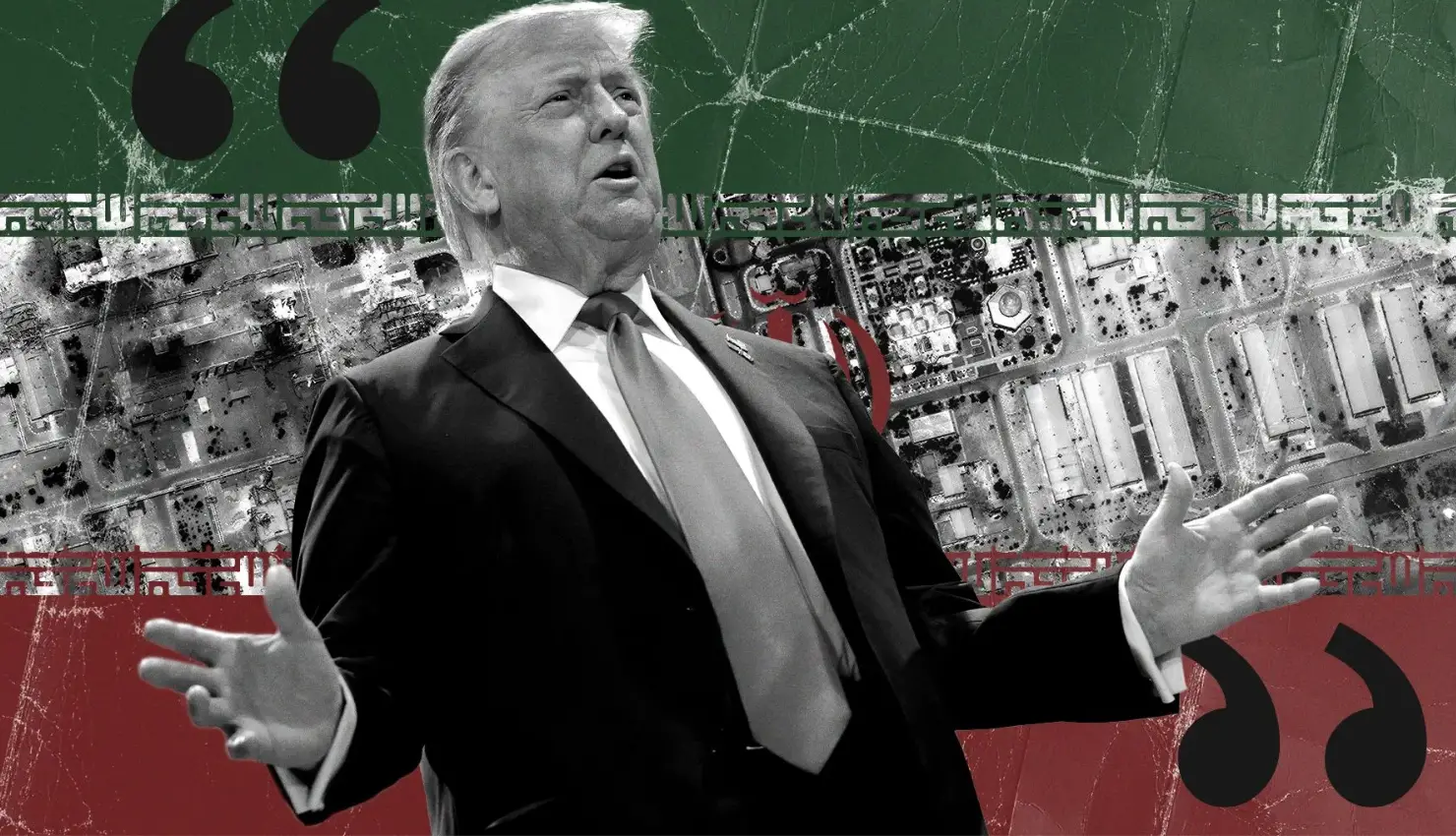
Donald Trump agreed to a two-week ceasefire, contingent on Iran reopening the key shipping route.
Investor sentiment improved rapidly, pushing global markets higher:
Meanwhile, the MSCI Asia-Pacific index climbed 4%, reflecting widespread optimism.
The U.S. dollar—previously a safe-haven—fell sharply as risk appetite returned:
Government bonds rallied strongly:
Markets are now pricing in potential rate cuts from the Federal Reserve later this year.
Despite the rally, analysts warn that the ceasefire may only offer temporary relief:
Interestingly, gold prices climbed 2.5% to $4,820/ounce, showing that some investors are still hedging against uncertainty.
The key focus now is whether the ceasefire leads to a lasting resolution or merely pauses the conflict.
For now, markets are celebrating a breather—but the road ahead may still be volatile.
The Strait of Hormuz is one of the world’s most critical shipping routes, carrying about 20% of global oil and gas supplies. Any disruption there can significantly impact global energy prices and supply chains.
Oil prices dropped because the ceasefire raised expectations that energy shipments would resume smoothly. Reduced geopolitical risk typically lowers the “risk premium” built into oil prices.
Markets rallied as investors regained confidence. Lower oil prices ease inflation concerns and reduce pressure on businesses, which is generally positive for equities worldwide.
During crises, investors often move into the U.S. dollar as a safe-haven asset. With tensions easing, they shifted toward riskier assets like stocks and emerging market currencies, causing the dollar to fall.
It’s uncertain. While the agreement provides short-term relief, underlying geopolitical tensions—especially involving Iran and its counterparts—remain unresolved, meaning the risk of renewed conflict still exists.
Bitcoin's latest rally has attracted a major wave of institutional money. U.S. spot Bitcoin E...
Alibaba is accelerating its global AI expansion, announcing plans to build new cloud regions acro...
U.S. stocks finished higher Friday after a surprisingly weak September jobs report increased expe...
In this episode, we break down the latest technical picture across Gold (XAUUSD), Bitcoin (BTCUSD...
In this episode, we break down the latest technical picture across Gold (XAUUSD), Bitcoin (BTCUSD), EURUSD, NASDAQ (U...
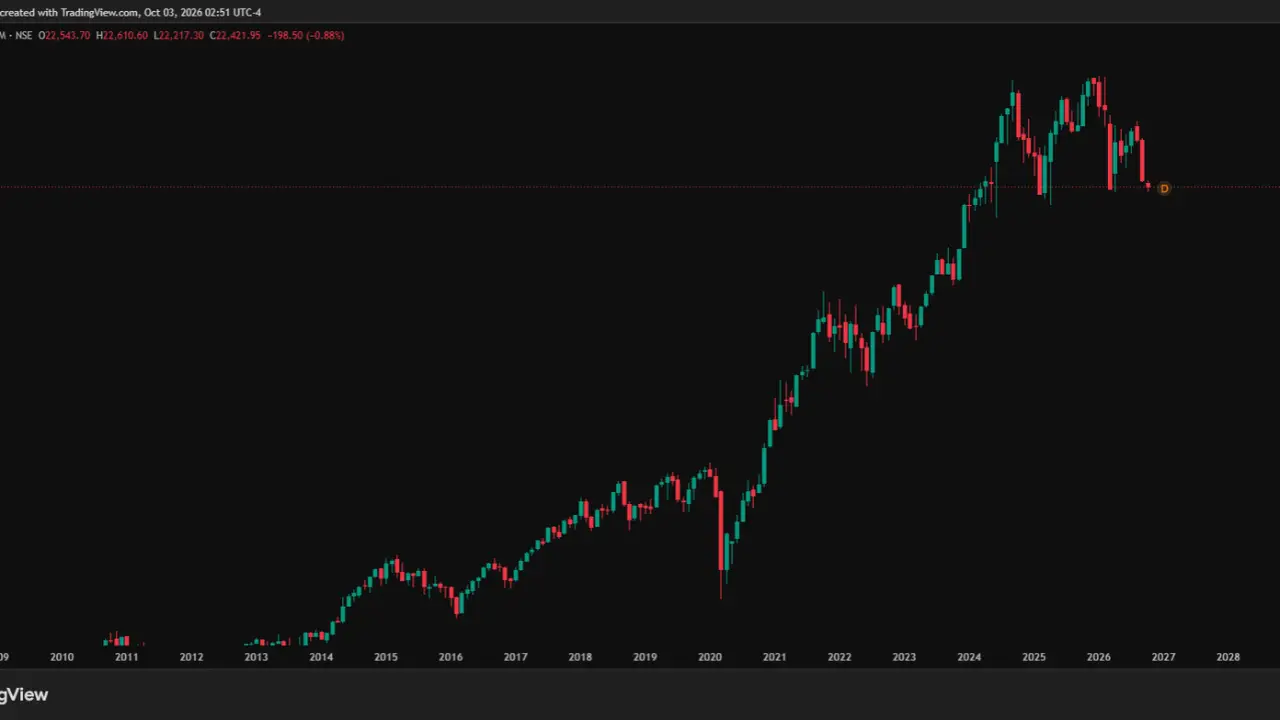
The Nifty 50 is currently around 22,780, down roughly 13% from its January all-time high of 26,373. After the stro...
U.S. stocks finished higher Friday after a surprisingly weak September jobs report increased expectations that the Fe...