Gold Surges as Middle East Conflict Drives Investors Toward Safe-Haven Assets


Growing tensions involving the United States, Israel, and Iran are pushing global investors toward one of the world’s oldest safe-haven assets: gold.
As fears of broader instability in the Middle East intensify, demand for the precious metal has climbed sharply. Analysts estimate the total value of the global gold market now stands between $30 trillion and $35 trillion, making it larger than the combined economic output of major economies such as India and the United Kingdom.
Gold traditionally attracts investors during periods of uncertainty. When geopolitical tensions rise and markets become volatile, investors often shift funds into assets considered more stable. Gold has historically played that role, serving as a financial shelter during crises.
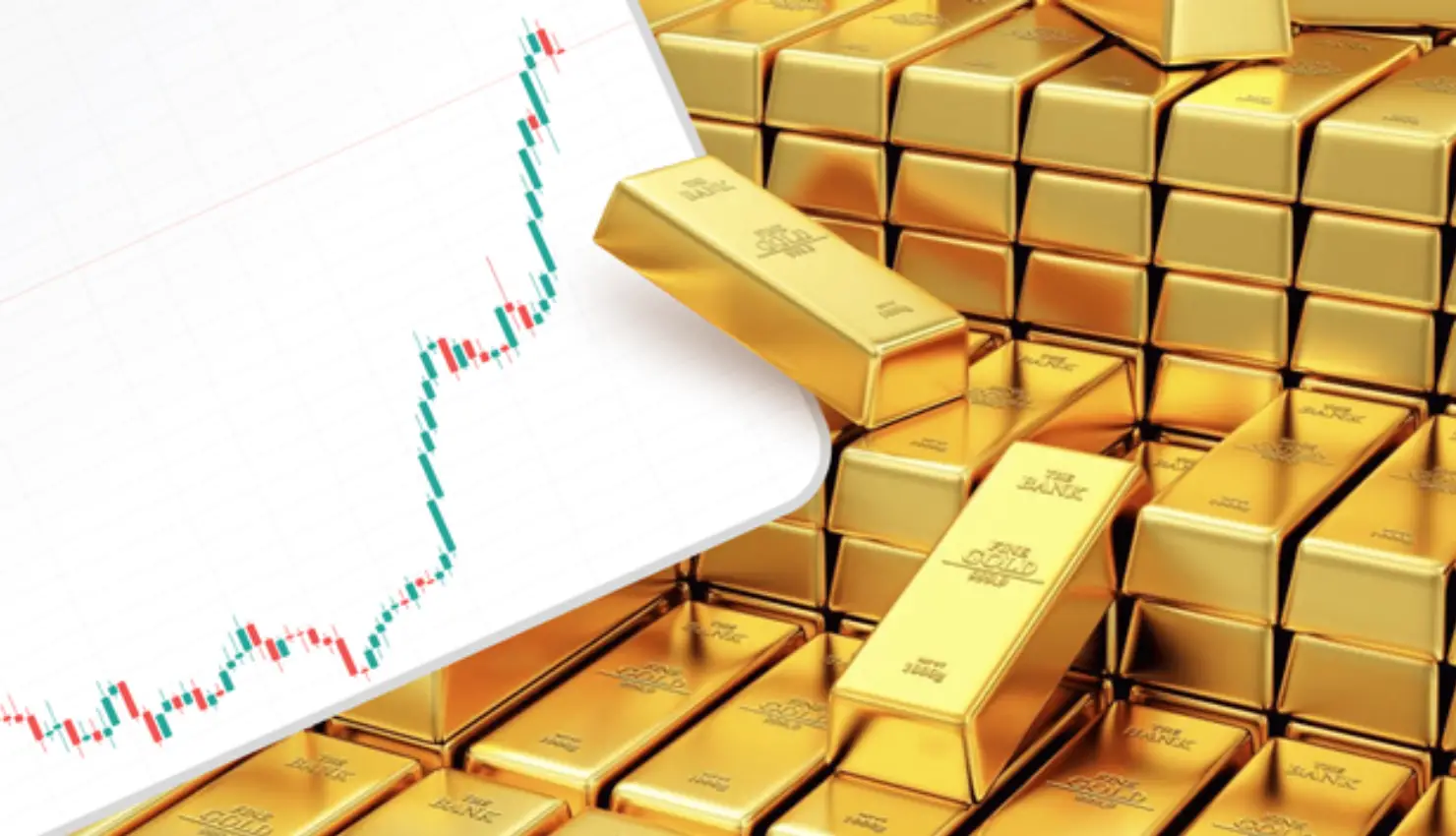
Recent market data shows gold prices moving closer to record highs as the conflict escalates. However, the rally is not driven by geopolitical tensions alone. Central banks worldwide have been increasing their gold purchases in recent years as they seek to diversify reserves and reduce reliance on the U.S. dollar.
Inflation concerns are also supporting the metal’s appeal. Although inflation has cooled in many economies since the pandemic, investors remain cautious about long-term price stability. Gold is widely viewed as a hedge against inflation because it tends to maintain its value when currencies lose purchasing power.
The Middle East conflict adds another layer of uncertainty because the region is critical to global energy supplies. Any disruption to oil flows could trigger broader market shocks, which typically strengthens demand for safe-haven assets like gold.
With geopolitical risk rising, central banks accumulating reserves, and inflation concerns lingering, gold is once again moving to the center of global financial markets.
Gold is considered a safe-haven asset that tends to hold value when markets become volatile or uncertain.
Analysts estimate its value between $30 trillion and $35 trillion.
Yes. Countries such as China, Turkey, and India have increased gold reserves to diversify away from the U.S. dollar.
Yes. Gold is often used as a hedge against inflation when currency purchasing power weakens.
If geopolitical tensions and energy supply risks increase, demand for safe-haven assets like gold may continue to rise.
The S&P 500 finished marginally lower on Monday as investors prepared for a busy week of corp...
Markets lean toward a pause as the Federal Reserve weighs persistent inflation against economic r...
U.S. stocks closed lower on Wednesday as hotter-than-expected September inflation data weighed on...
Technology stock weakness and surging energy prices put investors on alert, raising fears of rene...

A Potential Mega-Deal Could Reshape the Future of Technology, AI, Space Exploration, and Electric Vehicles Market ...

Gold prices edged higher as a softer U.S. dollar provided support, while investors assessed the Federal Reserve&rsquo...

South Korea’s AI infrastructure newcomer suffers a sharp market debut despite strong IPO demand, highlighting g...