26th March 2026, Zylostar Market Wrap
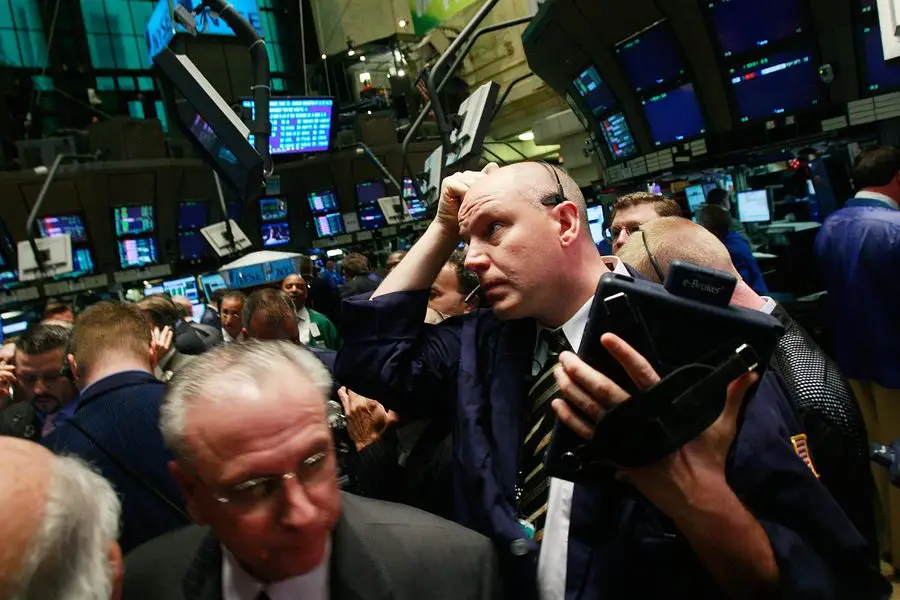


Global markets turned risk-off as escalating Middle East tensions and conflicting signals around US–Iran negotiations weighed heavily on sentiment. Equities and bonds declined, while oil surged, reflecting growing supply concerns and geopolitical uncertainty.
Asian markets led the downside, with the MSCI Asia Index falling 1.3% and South Korea dropping over 3%, driven by tech weakness and rising energy costs. US and European futures also pointed lower, suggesting global equities may be losing momentum after earlier optimism.
In commodities, oil prices climbed sharply amid fears of supply disruption through the Strait of Hormuz. Worth noting, the energy shock is already feeding into consumer prices — the AAA U.S. national average gasoline price jumped from $2.98 to $3.981 per gallon over the past month, a sharp increase of approximately +33.7%. Meanwhile, gold (-1%) and silver (-2%) declined, and Bitcoin slipped below $70,000, reflecting broader risk aversion.
On the macro front, central bank expectations remain in focus. Fed’s Miran signaled policy may be too restrictive and suggested rate cuts toward neutral levels, despite short-term inflation pressures from oil. In Europe, data painted a mixed picture, with Spain showing resilience while France and Italy signaled weakening confidence. Policymakers also hinted at potential intervention, including strategic oil reserve releases.
Geopolitics remain the dominant driver. The US is preparing potential military escalation against Iran, although no final decision has been made. At the same time, diplomatic efforts led by Turkey and Pakistan have yet to produce a viable negotiation framework, with Iran rejecting current proposals and demanding broader guarantees.
The US dollar strengthened alongside rising yields and oil prices, as investors moved toward safety. With tensions unresolved and a key US deadline approaching, markets are likely to remain volatile, with energy prices and geopolitical developments driving near-term direction.
By Amir Amidian
Senior Market Analyst | Zylostar
Rising geopolitical tensions between the US and Iran, combined with uncertainty around negotiations, are reducing risk appetite and pushing investors toward safer assets.
Oil is climbing due to fears of supply disruptions, especially around the Strait of Hormuz, while equities and bonds are reacting negatively to inflation risks and uncertainty.
Recent comments suggest policy may be too tight, with growing expectations that the Fed could cut rates despite short-term inflation pressure from higher oil prices.
Data is mixed—Spain shows resilience, while France and Italy indicate weakening confidence, highlighting uneven growth across the region.
Key drivers include US–Iran developments, potential military escalation, oil price movements, and any central bank response to rising inflation risks.
Wall Street is facing another wave of pressure as surging oil prices, rising Treasury yields and ...
Wall Street extended its losing streak on Wednesday as a powerful combination of surging oil pric...
Apple has opened a new chapter under CEO John Ternus, unveiling the company’s first foldabl...
Federal Reserve Chair Kevin Warsh is facing growing pressure to raise interest rates at next week...
The latest crypto ETF flow data delivered a notable shift in investor demand: Zcash (ZEC) spot ETFs attracted $98.2 m...

Google has disclosed that its Gemini AI model accessed and hacked three real companies during a cybersecurity test in...

U.S. markets turned lower Wednesday after the Federal Reserve delivered its first interest-rate increase in more than...