Rates Spark: Big rate decisions as oil tests highs


Despite oil prices testing new highs, markets are not pressuring the European Central Bank or Bank of England to hike this meeting, but the stakes are higher for June. The return of a UK political risk premium could push 10Y gilt yields well above 5%. The Fed set the tone by leaving rates unchanged, but the tone has changed, with three dissents to an easing
US curve flattens on front end scare factor
Earlier Wednesday, the US 10yr yield had gapped higher, and hit 4.4%. Actually, the whole curve gapped up. The hold-out in the Strait of Hormuz was the catalyst. Some duration selling makes a lot of sense here, where we are in “nowhere land” on a resolution to the war. Extrapolate this, and we could sail back up to the 4.5% area that we hit a few weeks ago.
Some of this was echoed in the decision of three Fed members to step away from the underlying easing bias that had dominated policy changes since the wider rate-cutting process began. For these three members, that journey is at an end. The main follow-through from the FOMC outcome is a consolidation at 4.4% for the 10yr, and a further rise in the 2yr to above 3.9% – a flatter curve. More to come, at least for as long as the hold-off in the Strait continues, and the prognosis there is for the status quo to be in an uncomfortable place.
Between March and April, the implementation notes that accompany the FOMC statement are operationally unchanged, but the tone shifts from active reserve support to maintenance – suggesting the plumbing has calmed enough for the NY Fed Desk to stand down, even as policy stays on hold. Last week the NY Fed cut T-bill buying from US$40bn to US$25bn per month, pointing in the same direction, and indicative of some comfort over the plumbing of the system.
The missing piece here is the ongoing elevation in the effective funds rate. It remains at 3.64%, a mere 1bp below the rate on reserves at 3.65% (unchanged). It used to be 7bp below (September 2025). The Fed, ideally, would prefer to get it back there. But no big stress here. In all probability, the effective funds rate will be coaxed down as bank reserves slowly rebuild in line with ongoing T-bills buying, even if at a slower pace.
No early ECB hike anticipated as stagflationary pressures complicate the outlook
When the ECB meets on Thursday, it faces the dilemma of further oil price rises stoking inflation expectations while at the same time there are more signs of mounting macro headwinds.
On the back of Brent oil climbing above US$115/bbl, money markets are fully pricing in three hikes from the ECB by the end of the year. But with a view to this meeting, market expectations remain relatively muted, with just 3bp priced into the forward, implying a probability of somewhat more than 10% for a hike.
It is a tail risk, but it would run counter to the official communication ahead of the blackout period, which suggested that April would likely be too early to decide on a hike given the limited availability of new data. Delivering a surprise rate hike at this stage would probably be seen more as a front loading than a change of the ECB reaction function, and long-end rates might see limited pass-through resulting in a bear flattening.
We believe the ECB could resort to a more hawkish tone to underpin its inflation-fighting credibility, but refrain from immediate action given that the overall geopolitical situation remains very uncertain. At the same time, the increasing signs of adverse growth effects will make signalling an aggressive hiking cycle less straightforward.
Political risks add to hawkish Bank of England pricing
We also expect the Bank of England to remain on hold, but markets price in 80% of a 25bp rate hike by June, which seems on the hawkish side. One could argue that UK inflation never made it back to target, thereby complicating the outlook. But similarly to the eurozone, the economic demand backdrop is weaker than in 2022, and the still relatively limited impact on gas prices should help mitigate second-round price effects. For this reason, our economist thinks the bar for a hike remains high, and this resonates with the earlier pushback from Governor Bailey against the hawkish positioning of markets.
Meanwhile, 10Y gilt yields are closing at new highs well above the 5% handle, and with political risks looming, there could be more risks to the upside. The push higher of sterling rates has thus far been driven by the sharp repricing in inflation expectations, more so than we’ve seen in the eurozone or US. But with Starmer’s position as prime minister looking more fragile, we could see the build up of a political risk premium forcing gilt yields even higher. We estimate that the 10Y gilt yield may rise 10-20bp if investor sentiment turns wearier as it did during the budget announcement last year.
Thursday’s events and market view
The policy-setting meetings of the ECB and BoE will take the spotlight, but there are also relevant data releases scheduled for the day.
The eurozone releases the flash April CPI figures. The market looks for a headline increase to 3% year-on-year, although country releases so far point to a slightly lower print. Core inflation is expected to come in at 2.2% YoY versus 2.3% in March. The eurozone will also release the advance estimate for first-quarter 2026 GDP growth and the unemployment rate for March.
In the US, the PCE inflation for March is expected to rise to 3.5% in the headline. We will also get the personal income and spending data for that month, the weekly jobless claims numbers and also advanced readings for first-quarter GDP growth.
No bond issuance is scheduled for the day. In other news, the EU raised its bond funding target for 1H26 from €90bn to €100bn following the final adoption of the €90bn Ukraine support loan. This will be accommodated by “marginal increases” of the already pre-announced issuances. The funding target for the entire year was raised from €160bn to €180bn.
By- Shahzad Ahmad Market Analyst | Investor | Strategist Main Highlight Jensen Hua...
By- Shahzad Ahmad Market Analyst | Investor | Strategist Main Highlight Global sto...
Elon Musk is giving Tesla's longest-serving shareholders a front-row seat to what could becom...
Risk sentiment remained firmly positive to start June, with US equity futures pointing to fresh r...
This week, financial markets were driven by central bank decisions, sticky inflation data, improving U.S.–Iran ...
The Bank of Canada held its key interest rate at 2.25 per cent on Wednesday, as the bank seeks to balance economic tu...
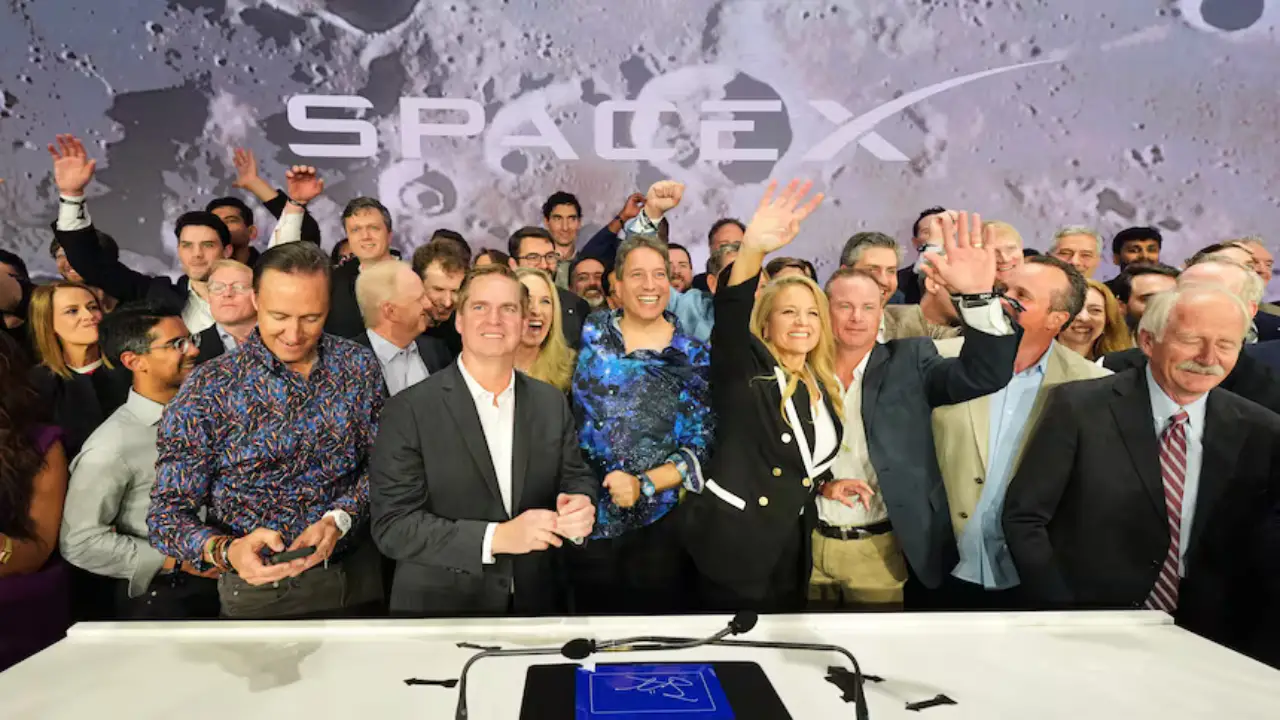
SpaceX soared in its Nasdaq debut on Friday, sending its value past $2 trillion US, as investors jumped at ...