BOJ Raises Rates to 31-Year High, Signals More Tightening Ahead
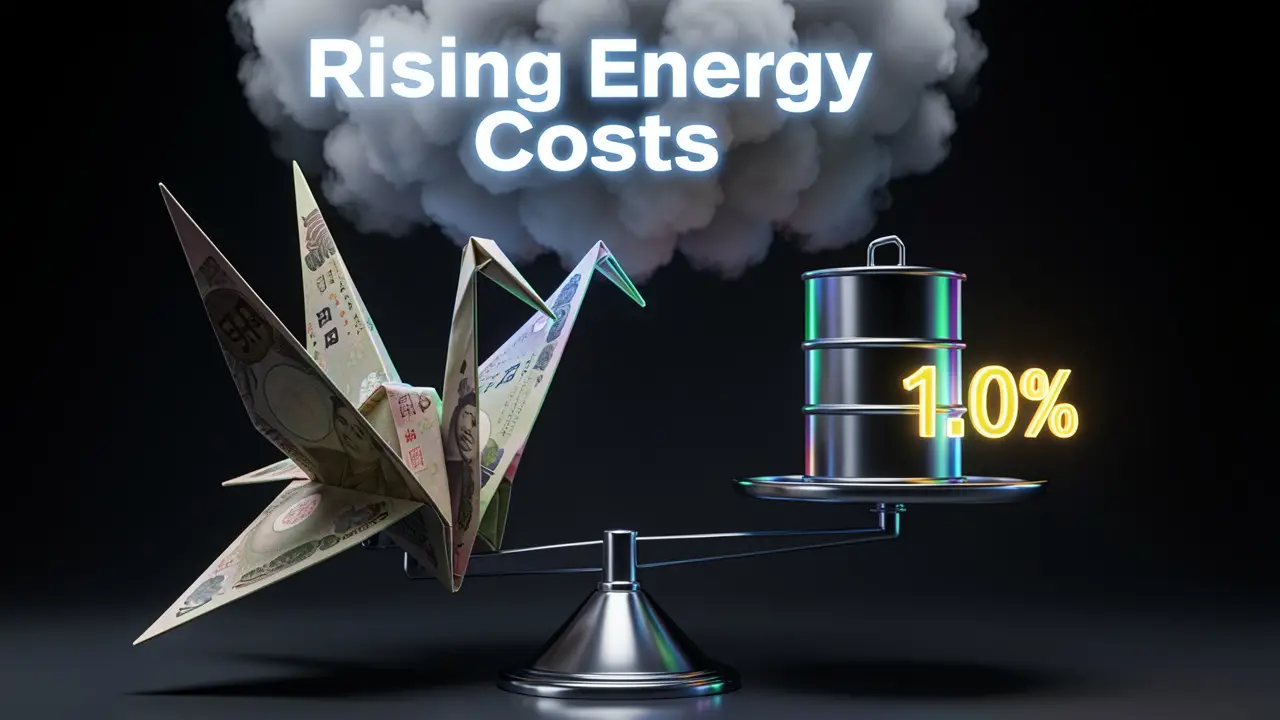


In its policy statement, the central bank warned that rising energy costs, particularly higher oil prices, are increasingly feeding into business expenses and consumer prices. Officials indicated that inflation could remain above the BOJ’s 2% target, reinforcing the need for tighter monetary policy.
The decision was approved by a 7-1 vote, with one board member favoring no change. BOJ Governor Kazuo Ueda did not participate in the meeting due to a medical issue.
Alongside the rate hike, the BOJ announced plans to gradually reduce its bond-buying program. Monthly bond purchases will be cut by approximately ¥200 billion each quarter through March 2027, before stabilizing at around ¥2 trillion per month.
Analysts expect additional rate increases in the coming quarters as inflation remains elevated and the weak Japanese yen continues to push import costs higher. Following the announcement, the yen strengthened slightly but remained near its weakest levels of the year.
The BOJ raised interest rates by 25 basis points to 1.0%, its highest level in 31 years.
Policymakers are concerned that higher oil prices and rising costs could keep inflation above the bank's 2% target.
The BOJ will gradually reduce monthly bond buying by about ¥200 billion each quarter until March 2027.
Yes. Some analysts expect the BOJ to continue raising rates, potentially reaching 2.0% by the end of next year.
The yen strengthened modestly after the announcement but remains close to its weakest levels of the year.
The Japanese yen is staging a sharp comeback as traders increasingly price in a more hawkish Bank...
Stocks fell sharply on Tuesday, the first trading day of September, as rising oil prices and rene...
The Federal Reserve’s September rate decision has become a much closer call after a surpris...
Global bond markets are facing another wave of selling as surging energy prices revive fears that...
Global oil markets opened the week under renewed pressure as the shutdown of Saudi Arabia’s critical East-West ...
This week, we analyze the latest price action across Gold (XAUUSD), Bitcoin (BTCUSD), EURUSD, NASDAQ (US100), and Nif...

Federal Reserve Chair Kevin Warsh is facing growing pressure to raise interest rates at next week’s policy meet...